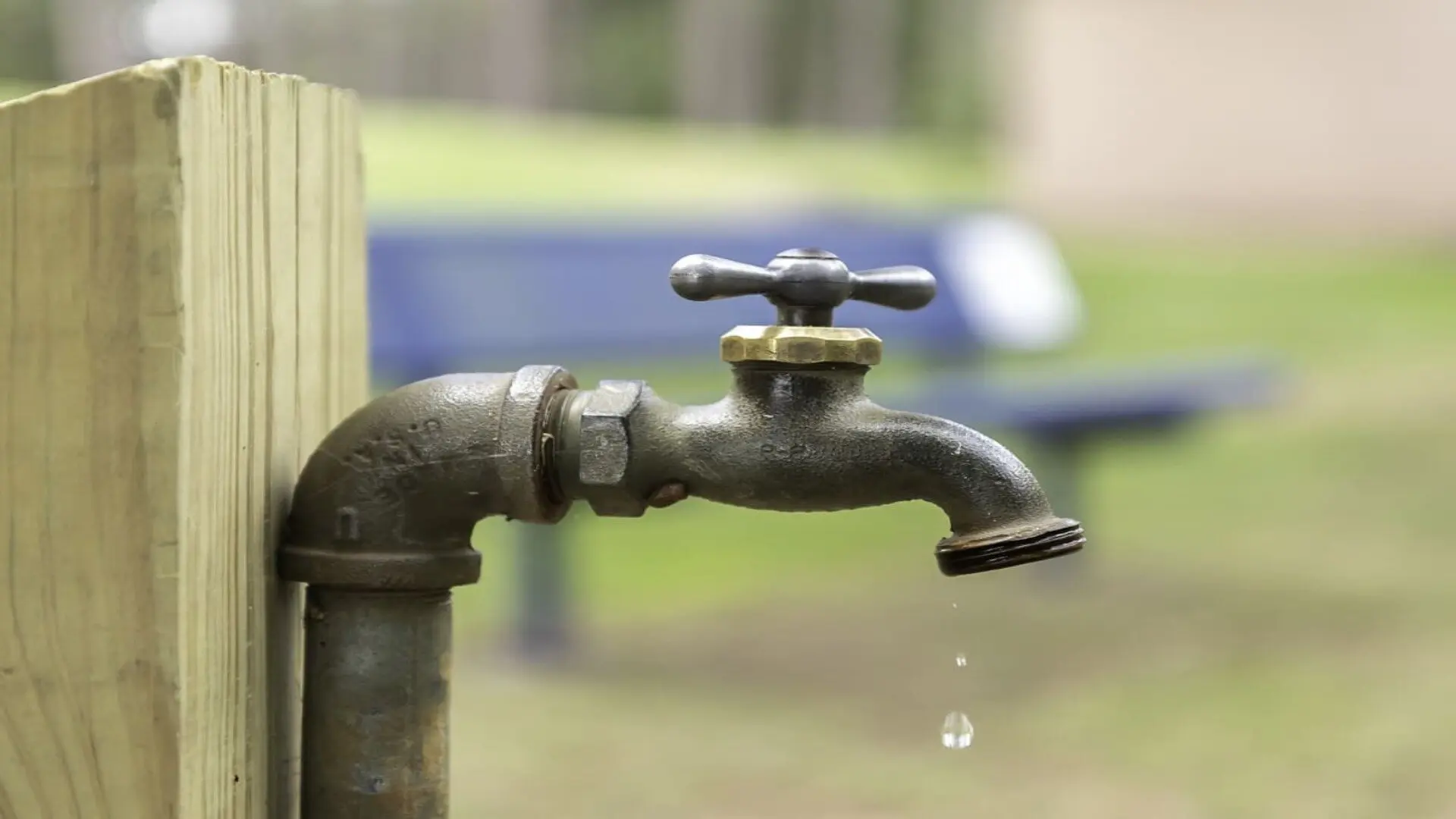
Bulawayo, Zimbabwe — Civic organizations have issued a passionate call to national lawmakers, urging decisive action to address the deepening water crisis in the country’s second-largest city. In a joint statement submitted to Parliament on 23 September 2024, Matabeleland Institute for Human Rights (MIHR) and other civic society organizations highlighted the long-standing and multifaceted nature of Bulawayo’s water challenges.
The statement details how historical hydro-political legacies, damaged dam catchments, aging infrastructure, and poor water governance have converged into a “perfect storm” of deprivation. With the city facing extreme water shedding—sometimes exceeding 144 hours per week—residents, schools, and businesses are under immense strain.
“The crisis is no longer just about dry taps. It’s about disease outbreaks, human insecurity, and compromised education,” reads part of the document. The groups referenced alarming statistics, including gender-skewed cholera impacts and rising risks of violence in water collection queues.
The submission calls on Parliament and the Executive to release approved funds, complete Lake Gwayi-Shangani infrastructure, and consider innovative financing strategies—including tapping into climate funds and resource revenues.
As Bulawayo teeters at the edge of a full-blown humanitarian emergency, civic leaders are urging policy makers to remember: water is not a privilege, but a constitutional right.